
Creating a productive home office environment is essential for anyone working remotely or running a business from home. A well-designed workspace can improve concentration, reduce stress, and increase overall efficiency. Whether you’re setting up a new home office or looking to optimise an existing one, these tips will help you create an environment that supports your work and well-being.
Choose the Right Location
Selecting the best spot for your home office is the first step. Ideally, this should be a quiet area with minimal distractions.
– Consider natural light: A space near a window helps improve mood and focus.
– Away from high-traffic areas: Avoid placing your desk where family members often pass by.
– Size and layout: Choose a space that comfortably fits your desk, chair, and storage.
If space is limited, carve out a specific nook or corner dedicated exclusively to work. This creates a clear boundary between work and personal life.
Invest in Ergonomic Furniture
Comfort is key when working for long hours. Ergonomic furniture supports healthy posture and reduces fatigue.
– Ergonomic chair: Look for adjustable height, lumbar support, and cushioning.
– Desk height: Ensure your desk allows you to keep your forearms parallel to the floor.
– Monitor placement: Position your screen at eye level and about an arm’s length away.
If a full ergonomic setup isn’t possible, consider accessories like a footrest, wrist supports, or a laptop stand.
Organise and Declutter
A tidy workspace can help clear your mind and make it easier to find what you need.
– Declutter regularly: Remove unnecessary items from your desk.
– Use storage solutions: Shelves, drawers, and filing cabinets keep documents and tools organised.
– Keep essentials within reach: Frequently used items should be easily accessible to avoid interruptions.
Add labels or organisers to keep things orderly. Keeping digital files organised is also important for efficiency.
Control Lighting and Noise
Good lighting and minimal noise distractions help maintain focus and reduce eye strain.
– Use natural light where possible: Position your desk near windows but avoid glare on your screen.
– Supplement with artificial lighting: A desk lamp with adjustable brightness can be useful for late work sessions.
– Manage noise: Use noise-cancelling headphones or play background instrumental music if noise is unavoidable.
Consider soundproofing options like rugs, curtains, or door seals if noise is a constant issue.
Set Boundaries and Routines
Clear boundaries between work and personal time help maintain balance and productivity.
– Establish working hours: Define start and finish times to create routine.
– Inform household members: Let family know your schedule to minimise interruptions.
– Take regular breaks: Short breaks improve focus and reduce burnout.
Use tools like calendars and task lists to organise your day effectively.
Personalise Your Space
Adding personal touches can make your home office more inviting and boost motivation.
– Decorate tastefully: Use colours and art that inspire you but avoid overly distracting items.
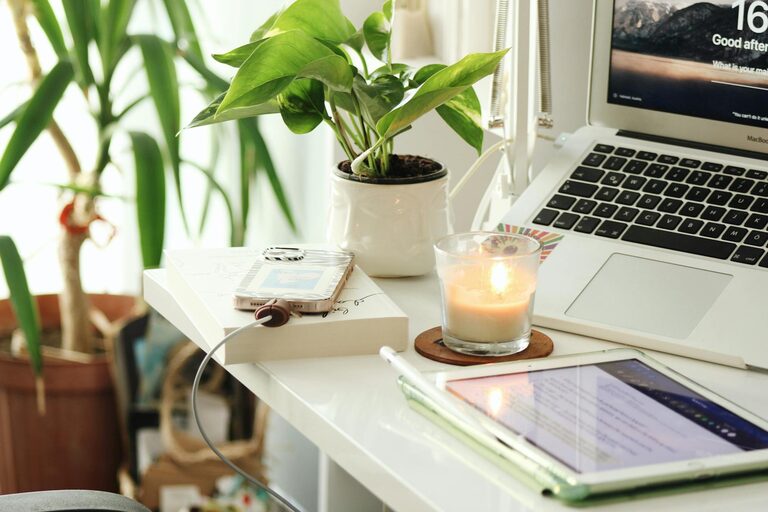
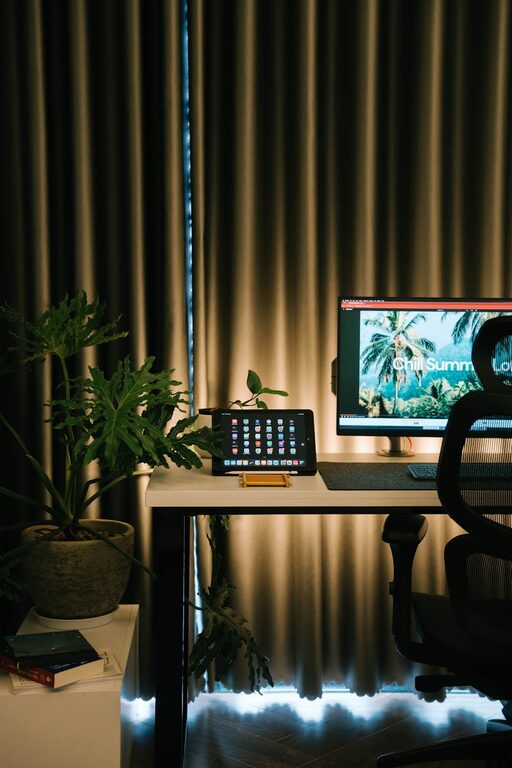
– Incorporate plants: Indoor plants improve air quality and add a calming presence.
– Comfort items: A cosy blanket or a favourite mug can add warmth.
Remember to keep personal items organised to keep the workspace professional.
Ensure Reliable Technology
Effective remote work depends on dependable technology.
– High-speed internet: A stable connection avoids frustrating interruptions.
– Quality peripherals: Invest in a good keyboard, mouse, and headset.
– Regular backups: Protect your work with cloud storage or external drives.
Keep software and hardware updated to reduce technical difficulties.
Maintain Good Air Quality and Temperature
Comfort also involves the environment’s air quality and temperature.
– Ventilate regularly: Open windows to allow fresh air circulation.
– Use air purifiers if needed: This can reduce allergens and dust.
– Adjust room temperature: Aim for a comfortable setting between 20-22°C.
A comfortable environment supports long periods of focus and prevents discomfort.
—
By following these tips for creating a productive home office environment, you can enhance your work experience and maintain a healthy work-life balance. Remember, the ideal workspace may vary from person to person, so feel free to adapt these ideas to suit your needs and preferences. Happy working from home!