
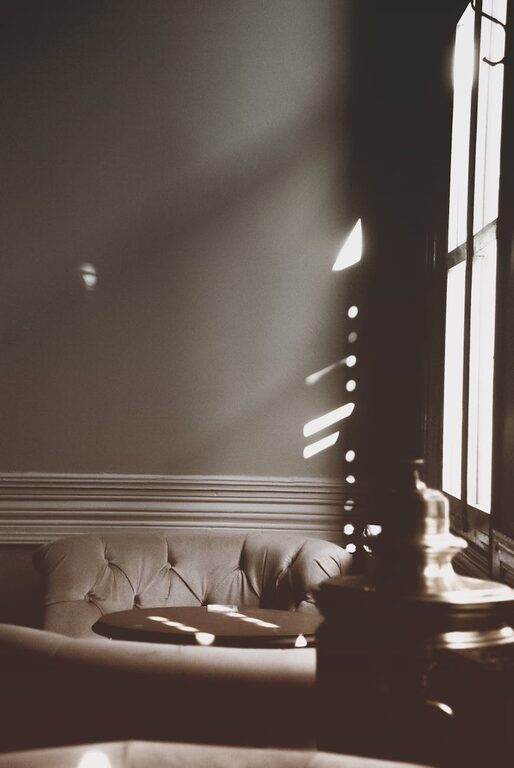
Creating a relaxing home environment is essential for unwinding after a busy day and enjoying quality time with family. Often, small and simple interior design adjustments can make a significant difference in how your space feels. You don’t need to undertake major renovations or spend a fortune. Below, we explore practical tips to transform your home into a tranquil retreat using straightforward design ideas.
Why a Relaxing Home Environment Matters
Our living spaces influence how we feel, work, and rest. A calm home can reduce stress, enhance mood, and improve sleep quality. Designing for relaxation means focusing on comfort, balance, and harmony in your surroundings.
Declutter First for a Clear Mind
Before diving into colours and furniture, start by decluttering your rooms. Excess items can make a space feel chaotic and overwhelming. Consider these steps:
– Sort your belongings into categories: keep, donate, or discard.
– Store items neatly in boxes or baskets.
– Aim for open surfaces and floor space to create an airy feeling.
A tidy room promotes mental clarity and sets the foundation for a peaceful atmosphere.
Choose Soothing Colours
Colour has a strong effect on mood. For a relaxing home environment, opt for soft and muted tones. Some ideas include:
– Pale blues and greens, which evoke nature and calm.
– Warm neutrals such as beige, taupe, or soft greys.
– Pastel shades like blush pink or lavender for subtle warmth.
Avoid overly bright or harsh colours in main areas, as they can energise the mind rather than soothe it.
Bring Nature Indoors
Natural elements add life and tranquillity to any space. Here are easy ways to incorporate nature:
– Houseplants: Simple greenery like spider plants, ferns, or succulents improve air quality and add colour.
– Natural materials: Choose furniture or décor made from wood, stone, or woven fibres.
– Natural light: maximise daylight by using light curtains or blinds and keep window areas uncluttered.
These touches foster a connection to the outdoors, promoting relaxation.
Create Comfortable Seating Areas
Comfort is key for any relaxing space. Focus on seating that invites rest and conversation:
– Use plush cushions and throw blankets to soften sofas and chairs.
– Arrange furniture in a way that encourages interaction and creates an intimate feel.
– Consider ergonomic furniture that supports good posture.
A cosy and inviting seating area helps you and your guests feel at ease.
Incorporate Soft Lighting
Harsh lighting can disrupt the calm atmosphere. Instead, choose softer lighting options:
– Use lamps with warm-toned bulbs to create a gentle glow.
– Add dimmer switches to adjust brightness according to your mood.
– Include candles or fairy lights for a subtle romantic touch.
Layering light sources also adds depth and warmth to your rooms.
Add Personal Touches Thoughtfully
Personal items add meaning and comfort but avoid overloading surfaces and walls. Select items that bring joy and calm, such as:
– Favourite framed photos.
– Meaningful artworks or prints.
– Items that reflect hobbies or interests in a subdued way.
A personalised space feels welcoming without being cluttered.
Introduce Calming Scents
Scent influences mood profoundly. You can easily add calming fragrances to your home:
– Use essential oil diffusers with lavender, chamomile, or eucalyptus.
– Light soy or beeswax candles with gentle scents.
– Place fresh flowers with natural fragrance in key areas.
Choose scents you enjoy to enhance your relaxation experience.
Create Quiet Zones
If your home allows, designate areas specifically for relaxation and quiet:
– A reading nook with a comfortable chair and good lighting.
– A meditation or yoga space with minimal decoration.
– A bedroom corner designed purely for rest and comfort.
Having spaces dedicated to peace helps establish healthy rest routines.
Keep Textures Soft and Inviting
Texture adds depth and comfort. To create a relaxing environment:
– Use soft rugs underfoot, such as wool or cotton.
– Choose cushions and throws in gentle fabrics like linen, velvet, or fleece.
– Soften window treatments with curtains rather than blinds alone.
Varied textures encourage tactile comfort and a homely feel.
Maintain Consistency and Balance
A relaxing environment depends on visual harmony. When making design changes:
– Keep a consistent colour palette throughout connected spaces.
– Avoid overcrowding rooms with too much furniture or décor.
– Aim for a balanced arrangement where all elements complement each other.
A harmonious space feels orderly and peaceful to the mind.
—
By incorporating these uncomplicated interior design tips, you can quickly transform your home into a soothing sanctuary. Remember, it’s the small, thoughtful changes—like colour choices, textures, and lighting—that have the biggest impact on creating a relaxing atmosphere. Take your time to personalise your space and enjoy your calm and cosy home.