Creating a productive home office environment is more important than ever. Whether you are working from home full-time or occasionally, a well-organised and comfortable workspace can improve your focus, reduce stress, and help you maintain a healthy work-life balance. In this post, we will explore essential tips to make your home office efficient and enjoyable.
Why a Dedicated Home Office Matters
Having a dedicated space for work signals to your brain that it’s time to be productive. It separates your professional tasks from your personal life, helping you switch on and off more easily. The right environment can also reduce distractions and physical discomfort, which often impact motivation and performance.
Choosing the Right Location
Find a Quiet Spot
Look for a spot in your home that’s quiet and has minimal foot traffic. Avoid high-traffic areas like the kitchen or living room, unless you can create physical separation.
Consider Natural Light
Natural daylight helps improve mood and concentration. Position your desk near a window if possible, but avoid glare on screens by using blinds or curtains.
Ensure Privacy
If possible, choose a room with a door so you can close it during focused work or calls, creating clearer boundaries between work and home life.
Investing in Essential Furniture
Ergonomic Chair
Invest in a comfortable, ergonomic chair that supports your posture. A good chair can prevent back pain and fatigue.
Functional Desk
Choose a desk size that fits your equipment yet allows enough space to work comfortably. Adjustable desks are great if you want to alternate between sitting and standing.
Storage Solutions
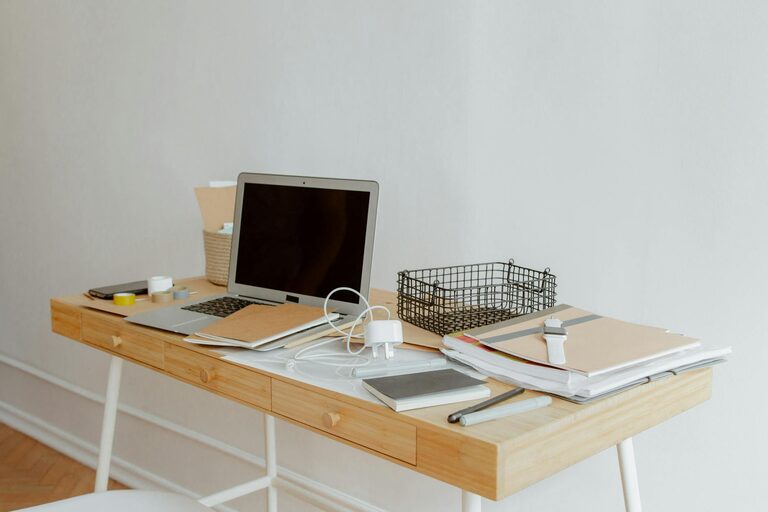
Use shelves, drawers, or filing cabinets to keep your paperwork and supplies organised. Clutter can be distracting, so having a place for everything helps maintain focus.
Setting Up Your Equipment
Reliable Technology
Ensure your computer, internet connection, and phone setup are dependable. Slow internet or malfunctioning devices can cause frustration and disrupt productivity.
Screen Setup
Position your monitor at eye level to avoid neck strain. Consider a second screen if your work requires multitasking or detailed visuals.
Accessories
Fundamental accessories include a good-quality keyboard and mouse, noise-cancelling headphones, and a desk lamp with adjustable brightness.
Creating a Productive Atmosphere
Declutter Daily
Spend a few minutes at the start or end of each day tidying your workspace. A tidy desk clears your mind and reduces distractions.
Personalise Your Space
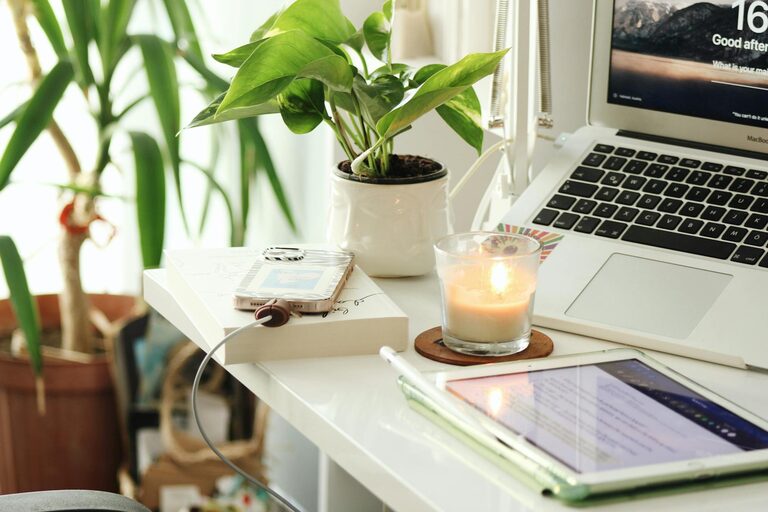
Adding plants, artwork, or personal items can make your home office more inviting and motivating without overcrowding it.
Control Temperature and Ventilation
Work in a space that is well-ventilated and at a comfortable temperature. Fresh air and a pleasant climate help you stay alert.
Managing Work Habits
Set Clear Boundaries
Define your working hours and stick to them. Communicate these boundaries with household members to minimise interruptions.
Take Regular Breaks
Taking short breaks improves concentration and prevents fatigue. Use techniques like the Pomodoro method (25 minutes working, 5 minutes resting) to maintain a cycle of focus.
Organise Your Tasks
Use planners, to-do lists or digital tools to prioritise your workload. Breaking big tasks into smaller, manageable steps keeps you motivated.
Avoiding Common Pitfalls
Minimise Distractions
Turn off unnecessary notifications, and resist the temptation to check personal devices. Use apps that block distracting websites if needed.
Manage Noise
If background noise is unavoidable, consider noise-cancelling headphones or white noise machines to help maintain concentration.
Be Comfortable but Professional
While comfort is vital, avoid working from a sofa or bed regularly. These places can reduce productivity and cause physical discomfort.
Final Thoughts
Creating a productive home office environment requires thoughtful planning and consistent habits. By selecting the right location, investing in ergonomic furniture, organising your tools, and managing distractions, you can build a workspace that enhances your focus and well-being. Remember, your home office is more than just a desk and chair; it’s a space that supports your professional success and personal comfort.
Start with small improvements and adjust your setup to what feels best for you. A well-designed home office is an investment that pays off in increased efficiency and work satisfaction.