
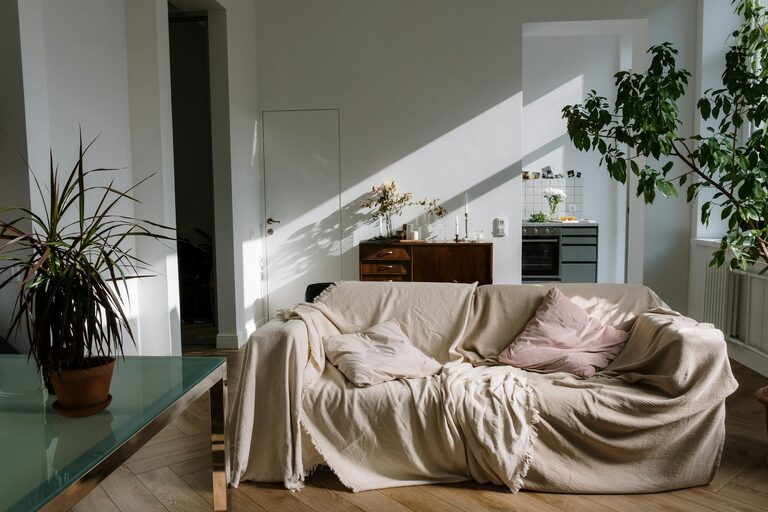
Creating a relaxing home environment is essential for boosting wellbeing and unwinding from daily stresses. Your home should feel like a sanctuary—a place where you can recharge, find peace, and enjoy comfort. This guide offers practical tips to help you transform your living space into a calming retreat, no matter your budget or style.
Why a Relaxing Home Environment Matters
Spending time in a cluttered, noisy, or uncomfortable space can increase stress and make it harder to relax. On the other hand, a thoughtfully organised and soothing environment supports mental clarity, improves mood, and promotes restful sleep. Enhancing your home’s atmosphere can also encourage healthier routines, such as mindful eating, meditation, or reading.
1. Declutter and Organise
One of the simplest ways to create calm is to clear away clutter. When spaces are tidy and organised, it’s easier for the mind to relax.
– Sort and Donate: Go through your belongings and decide what you really need or love. Donate or recycle items you no longer use.
– Storage Solutions: Use baskets, shelves, and boxes to keep everyday items neatly out of sight.
– Daily Routine: Spend a few minutes each day tidying common areas to maintain a sense of order.
2. Choose Soothing Colours
Colour has a powerful effect on mood. Opt for soft, neutral tones like pale blues, greens, creams, and greys to create a peaceful atmosphere.
– Paint: Consider repainting rooms in calming shades.
– Accessories: If repainting isn’t an option, incorporate calming colours through cushions, throws, and curtains.
– Avoid Overstimulating Colours: Bright reds or intense patterns may energise but can also cause restlessness.
3. Embrace Natural Light
Natural light boosts serotonin levels and improves concentration and mood.
– Open Curtains: Keep windows unobstructed during the day to let in plenty of daylight.
– Mirrors: Use mirrors strategically to reflect natural light and make rooms feel brighter.
– Window Treatments: Opt for light or sheer curtains that soften light without blocking it out entirely.
4. Add Nature Elements
Bringing nature inside increases feelings of wellbeing and reduces stress.
– Houseplants: Choose easy-care plants such as spider plants, peace lilies, or succulents to add greenery.
– Natural Materials: Use wooden furniture, stone decorations, or cotton and wool textiles to create a grounded feel.
– Fresh Flowers: Add seasonal flowers for colour and a pleasant scent.
5. Create Comfortable Zones
Designate specific areas in your home for relaxation and self-care.
– Reading Nook: A cosy corner with a comfortable chair, good lighting, and a small shelf for books.
– Meditation Space: A quiet spot with a cushion or yoga mat, free of distractions.
– Relaxing Bedroom: Make your bedroom a haven with supportive bedding and no electronic devices.
6. Control Noise Levels
A noisy home can disrupt peace and cause agitation.
– Soft Furnishings: Rugs, cushions, and curtains help absorb sound.
– White Noise: Use a fan or a white noise machine to mask disruptive sounds if needed.
– Quiet Hours: Encourage household members to respect quiet times, especially in the evenings.
7. Use Calming Scents
A gentle scent can promote relaxation and a sense of wellbeing.
– Essential Oils: Lavender, chamomile, and sandalwood are popular for calming effects.
– Candles and Diffusers: Use safely and avoid overpowering fragrances.
– Natural Freshness: Regularly air your home to keep it smelling fresh.
8. Manage Technology
Technology can be both a source of comfort and distraction.
– Screen-Free Zones: Keep bedrooms and dining areas free of devices.
– Set Boundaries: Designate times to switch off phones, tablets, and computers.
– Use Soothing Sounds: Replace noisy alerts and ringtones with gentle tones.
9. Personalise Your Space
Include items that bring joy and comfort.
– Photographs and Memories: Display happy memories to create a positive atmosphere.
– Comfort Items: Blankets, cushions, or cherished keepsakes can increase a sense of security.
– Art and Decor: Choose designs that appeal to your taste and promote calmness.
10. Maintain Your Space
A relaxing home is one that is well cared for.
– Regular Cleaning: Keep your home clean to avoid feelings of chaos and neglect.
– Seasonal Refresh: Change soft furnishings or decor with the seasons to keep your environment engaging.
– Self-Care: Taking care of your surroundings encourages you to take care of yourself.
—
Creating a relaxing home environment doesn’t require major renovations. By making simple adjustments that reflect your needs and preferences, you can build a space that supports your wellbeing every day. Start small, be patient, and enjoy the calm that comes with a home designed for peace.