
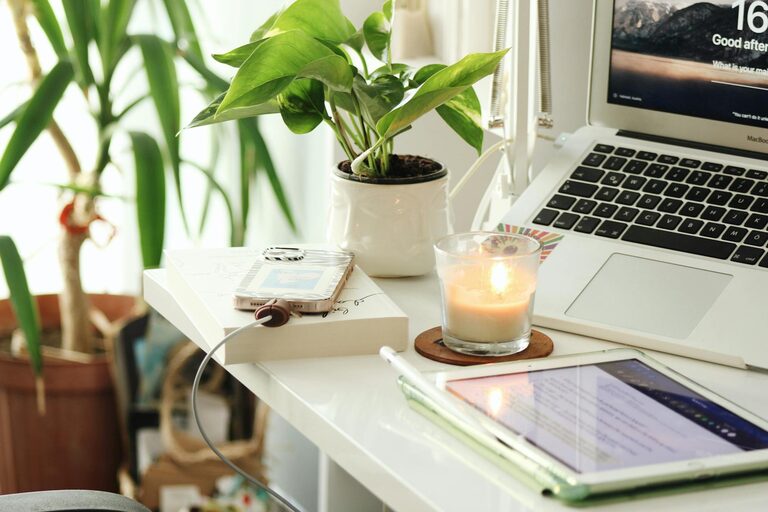
Creating a home office that balances productivity with relaxation can significantly improve your work-from-home experience. Whether you’re a freelancer, remote employee, or running your own business, a comfortable and well-organised workspace helps maintain focus and reduce stress. Here are some practical tips to help you design a home office environment that supports both concentration and calmness.
Choose the Right Location
Consider Natural Light
Opt for a spot in your home that receives plenty of natural light. Sunlight not only lifts your mood but also reduces eye strain and keeps you alert. Position your desk near a window, if possible, but avoid glare on your computer screen.
Minimise Distractions
Select a quiet area away from household noise like television or busy living spaces. If this isn’t possible, consider noise-cancelling headphones or soundproofing solutions like rugs and curtains.
Invest in Comfortable Furniture
Ergonomic Chair
A supportive ergonomic chair is a must-have to prevent back and neck pain. Look for adjustable options that provide lumbar support and encourage good posture during long working hours.
Functional Desk
Your desk should be spacious enough for your computer, notebooks, and any other essentials. Adjustable desks that allow you to alternate between sitting and standing can add variety and improve circulation.
Organise Your Space Effectively
Declutter Regularly
A tidy workspace helps reduce stress and distractions. Use cable organisers, drawer dividers, and storage boxes to keep supplies in order.
Use Shelving and Drawers
Vertical storage saves floor space and keeps documents and equipment accessible but out of sight. Label your drawers and shelves for easy retrieval.
Optimise Lighting
Layer Your Lighting
Combine natural light with task lighting and ambient light. A desk lamp with adjustable brightness is great for focused work, while soft overhead lighting creates a comfortable atmosphere.
Choose Warm Light Bulbs
Warm white bulbs (around 2700K to 3000K) create a cosy environment that can help you stay relaxed, especially during early mornings or late evenings.
Personalise Your Workspace
Add Plants
Indoor plants improve air quality and bring a sense of calm. Easy-to-care-for plants like spider plants or succulents are ideal for busy office users.
Include Inspiring Decor
Incorporate items that motivate you, such as artwork, photos, or quotes. Avoid overcrowding the space so it remains peaceful and uncluttered.
Maintain Good Air Quality
Ensure Proper Ventilation
Fresh air helps maintain concentration and reduces fatigue. Keep windows open when weather permits or use an air purifier if necessary.
Control Temperature and Humidity
Aim for a comfortable temperature between 20-22°C and moderate humidity. A small fan or heater can help regulate the room environment throughout the year.
Manage Digital Distractions
Limit Notifications
Turn off non-essential notifications on your computer and phone during work hours. Using apps designed to block distracting websites can also help maintain focus.
Keep Your Desktop Clean
Organise your digital files and keep only the necessary applications open. A clutter-free desktop promotes clarity and efficiency.
Establish Boundaries
Set a Work Schedule
Having consistent working hours helps separate professional time from personal time and reduces stress.
Communicate with Household Members
If others share your home, set clear expectations about when you should not be disturbed. Consider placing a sign on your door during important meetings.
Incorporate Breaks and Movement
Use a Break Timer
Regular breaks prevent burnout and keep your mind fresh. Try techniques like the Pomodoro method, working for 25 minutes followed by a 5-minute break.
Stretch and Move
Make time for simple stretches or short walks during breaks. Movement improves circulation and helps avoid stiffness.
Final Thoughts
Creating a home office that is both relaxing and productive requires attention to detail and a personalised approach. By choosing the right location, investing in comfortable furniture, organising your space, and managing light, air, and digital distractions, you’ll set up an environment conducive to focus and well-being. Remember that small changes can make a big difference, so experiment and adjust your workspace until it feels just right for you. Happy working!